Climate-Adaptive Landscaping for Central Texas: How to Design Outdoor Spaces That Thrive
Central Texas gardening and landscaping comes with its own set of rewards and challenges. Between summer heat, unpredictable storms, drought periods, and fluctuating rainfall patterns, homeowners are increasingly asking how to design landscapes that not only look beautiful but also **survive and thrive through changing climate conditions**.
Enter the concept of climate-adaptive landscaping — an approach that prioritizes resilience, low maintenance, water efficiency, and ecosystem support without sacrificing aesthetic appeal. At Culture Scapes ATX, we combine local ecological knowledge with thoughtful design and plant selection to create landscapes that perform year-round, even under Central Texas weather extremes.:contentReference[oaicite:1]{index=1}
In this guide, we’ll explore what climate-adaptive landscaping is, why it matters here in Central Texas, and how you can take practical steps to build a resilient outdoor space that works with the environment instead of fighting it.
What Is Climate-Adaptive Landscaping?
Climate-adaptive landscaping is a design philosophy that aligns your yard with the climate patterns and ecosystems of your region. Instead of forcing a “green oasis” that requires constant water, heavy fertilizers, or intensive care, adaptive landscapes embrace:
- Drought-tolerant and native plants
- Water-wise irrigation and rain capture
- Soil health and mulching
- Shade planning and microclimate considerations
- Stormwater management
Rather than fighting heat and drought, these landscapes adjust to them — reducing water use, maintenance costs, and plant loss over time.
Why It Matters in Central Texas
Central Texas is characterized by extreme heat, occasional droughts, and heavy seasonal storms. Traditional “lawn-centric” landscapes can struggle here because they rely on consistent moisture and cool weather that we simply don’t get year-round. These conventional landscapes often require:
- Excess irrigation
- High maintenance mowing
- Repeated fertilization and chemical treatments
- Frequent plant replacement
Climate-adaptive design lets your landscape behave more like a natural system — one that’s designed for our soil, rainfall patterns, and sun exposure. It’s about *working with the land, not against it* — which leads to long-term savings and a healthier environment for plants, people, and wildlife.:contentReference[oaicite:2]{index=2}
Step 1: Understanding Central Texas Climate Zones
Before you choose plants or build features, it helps to understand the broad climatic factors that affect your yard:
- Hot, dry summers — with temperatures above 90°F common
- Winter temperature fluctuations — occasional cold snaps can stress plants
- Variable rainfall — long dry spells interrupted by intense storms
- High UV exposure — increasing plant stress and water loss
A landscape designed without these realities in mind will struggle. Instead, choose plants and features that tolerate heat, conserve moisture, and buffer extreme conditions.
Step 2: Native and Drought-Tolerant Plants Are Your Foundation
Native plants have evolved with the local climate and soil, making them inherently more resilient, lower maintenance, and better adapted to the Central Texas environment. They typically require less water and fertilizer once established, and they support local ecosystems including pollinators and beneficial insects.
Examples of great native or drought-tolerant choices for Central Texas include:
- Texas Sage (leucophyllum frutescens)
- Lantana varieties
- Black-eyed Susan
- Little Bluestem grass
- Mexican Feathergrass
These plants handle heat, require minimal supplemental irrigation, and provide color, texture, and year-round interest without excessive upkeep.
Step 3: Smart Water Management Makes a Huge Difference
Water is often the most limiting resource for landscapes in Central Texas. Instead of traditional sprinklers on a timer, climate-adaptive landscapes use thoughtful water strategies such as:
- Drip irrigation — delivers water directly to roots with minimal waste
- Rain barrels and rain gardens — capture stormwater for reuse and reduce runoff
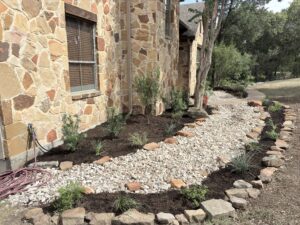
- Mulch layers — retain soil moisture and suppress weeds
- Zoning irrigation — different zones get different amounts of water based on plant needs
By tailoring water use to plant needs and soil moisture, you save money and reduce the stress of drought periods.
Step 4: Soil Health Is a Climate Advantage
Great landscapes start below ground. Central Texas soils can vary, but many are heavy clay or shallow, affecting drainage and plant health. Improving soil biology pays long-term dividends:
- Add organic matter to improve structure and water infiltration
- Use compost teas to support soil microbes
- Test soil pH and nutrients before planting major beds
- Avoid compacting soil with heavy equipment
Healthy soil increases plant resilience, improves drought tolerance, and reduces the need for fertilizer and irrigation.
Step 5: Design for Shade and Microclimates
Sun exposure varies across your yard, and thoughtful design considers these microclimates. Full sun areas may need heat-tolerant plants and mulch cover, while shaded areas under large trees might support different species.
Well-placed pergolas, shade sails, and trees can reduce heat stress on plants and people alike. In Central Texas, maximizing afternoon shade can significantly improve plant survival and comfort for outdoor living spaces.
Step 6: Hardscape That Works With the Weather
Climate-adaptive landscaping also includes hardscape elements that manage water, provide structure, and protect plantings. Examples include:
- Permeable pavers — reduce runoff and promote infiltration
- Swales and contouring — direct stormwater away from structures
- Retaining walls — protect slopes and prevent erosion
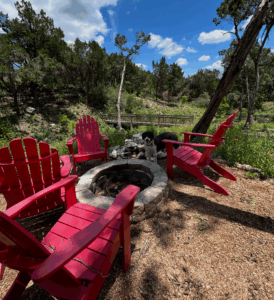
- Fire pit and seating zones — create outdoor rooms designed for both sun and shade
Hardscaping that considers water movement and thermal comfort keeps your landscape more stable and comfortable throughout the year.:contentReference[oaicite:3]{index=3}
Step 7: Enhance Biodiversity With Thoughtful Planting Layers
In natural ecosystems, plants exist in layers — from groundcovers to shrubs to small trees and canopy trees. Mimicking this in your yard supports wildlife, improves soil stability, and reduces pest pressures.
Layered planting:
- Improves habitat for pollinators and beneficial insects
- Shields soil from temperature extremes
- Enhances visual interest and texture
- Reduces weed growth through effective ground cover
This principle aligns with work Culture Scapes ATX has done in wildlife-friendly landscapes — marrying aesthetic landscaping with ecological resilience.:contentReference[oaicite:4]{index=4}
Step 8: Seasonal Strategies for Heat and Dry Spells
Adaptation also means scheduling care based on seasonal patterns. In Central Texas, summers demand patience and drought tolerance.
- Top dress with mulch in spring to reduce evaporation
- Choose summer-active natives that bloom in heat
- Avoid heavy pruning during peak sun
- Water deeply and infrequently to encourage deep roots
These practices support plant health and reduce stress during the hottest months.
Step 9: Maintenance That Respects Climate Cycles
Climate-adaptive landscapes are lower maintenance but still benefit from tuned care:
- Seasonal inspections for irrigation efficiency
- Mulch replenishment as needed
- Pruning to manage plant health and airflow
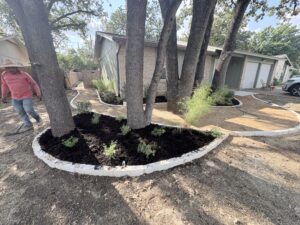
- Mulch rings around trees to protect moisture
Maintenance that respects natural growth rhythms keeps your landscape healthy without overworking the space or water resources.
Step 10: Integrate Features That Celebrate Outdoor Living
Adaptive landscapes shouldn’t forget beauty and use. Climate-smart design pairs performance with lifestyle amenities such as:
- Outdoor kitchens and seating areas
- Fire features and lighting for night use
- Pergolas for shade
- Water features that recycle water efficiently
These additions make your yard feel like an extension of your home while respecting nature’s patterns.:contentReference[oaicite:5]{index=5}
Why Culture Scapes ATX Excels in Adaptive Landscape Design
Culture Scapes ATX has deep experience in landscaping that reflects both the natural environment of Central Texas and the cultural values of the homeowners we serve. We design landscapes that are:
- Beautiful and functional
- Resilient against heat, drought, and storms
- Water-wise and low maintenance
- Ecologically supportive
We consider local ecology, material selection, plant palettes, irrigation systems, hardscape integration, and seasonal rhythms — all tailored to your property’s unique conditions. From initial concept to installation and long-term care, we help homeowners build landscapes that last and delight.:contentReference[oaicite:6]{index=6}
Conclusion: Landscapes That Adapt and Thrive
Climate-adaptive landscaping is not a trend — it’s a design imperative for Central Texas homeowners who want gardens and outdoor spaces that are both stunning and functional. By aligning your landscape with local climate realities and ecological principles, you save water, reduce maintenance, and enjoy a garden that truly performs.
If you’re ready to rethink your outdoor space with a climate-adaptive approach, Contact Culture Scapes ATX for a consultation and let us help you design a resilient landscape that reflects your style and adapts to Texas weather.
Helpful Resources: